
Incidents
State of Safety 2025
Turning Incidents into Safety Insights
We investigate incidents to learn more about the factors that lead to technical failure or the potential for increased safety risk. We publish incident investigation reports to document our findings across all technologies, excluding railways, and then share this information to empower clients and the public to make better safety-minded decisions. In 2025, the number of incidents reported to us decreased by 2.5%.
Each year, we measure the data we receive through incident and hazard reports to analyze and rank the top safety risks we encountered across the province. The key metrics we look at when ranking the top five safety risks include the likelihood of an incident taking place as well as the severity of its consequences, such as injury or damage.
410
Incidents reported in all technologies except Railways
37
Incident investigation reports published in 2025
Our Approach to Incidents
Incidents involving work or equipment regulated by the Safety Standards Act are required to be reported to the appropriate safety manager at Technical Safety BC. We investigate many of these incidents to gain an understanding of safety hazards in BC and determine what actions can be taken to manage them.
We complete investigations on incidents reported to us in all technologies except for rail*. We investigate incidents reported to us when:
- Regulated work or regulated equipment is involved.
- Evidence is available to help determine causes and contributing factors.
- A learning opportunity exists to understand and document what caused the incident, and to inform prevention of similar incidents.
*Our railway team performs audits and investigations under the Railway Safety Act.
2025 Major and Severe Incidents
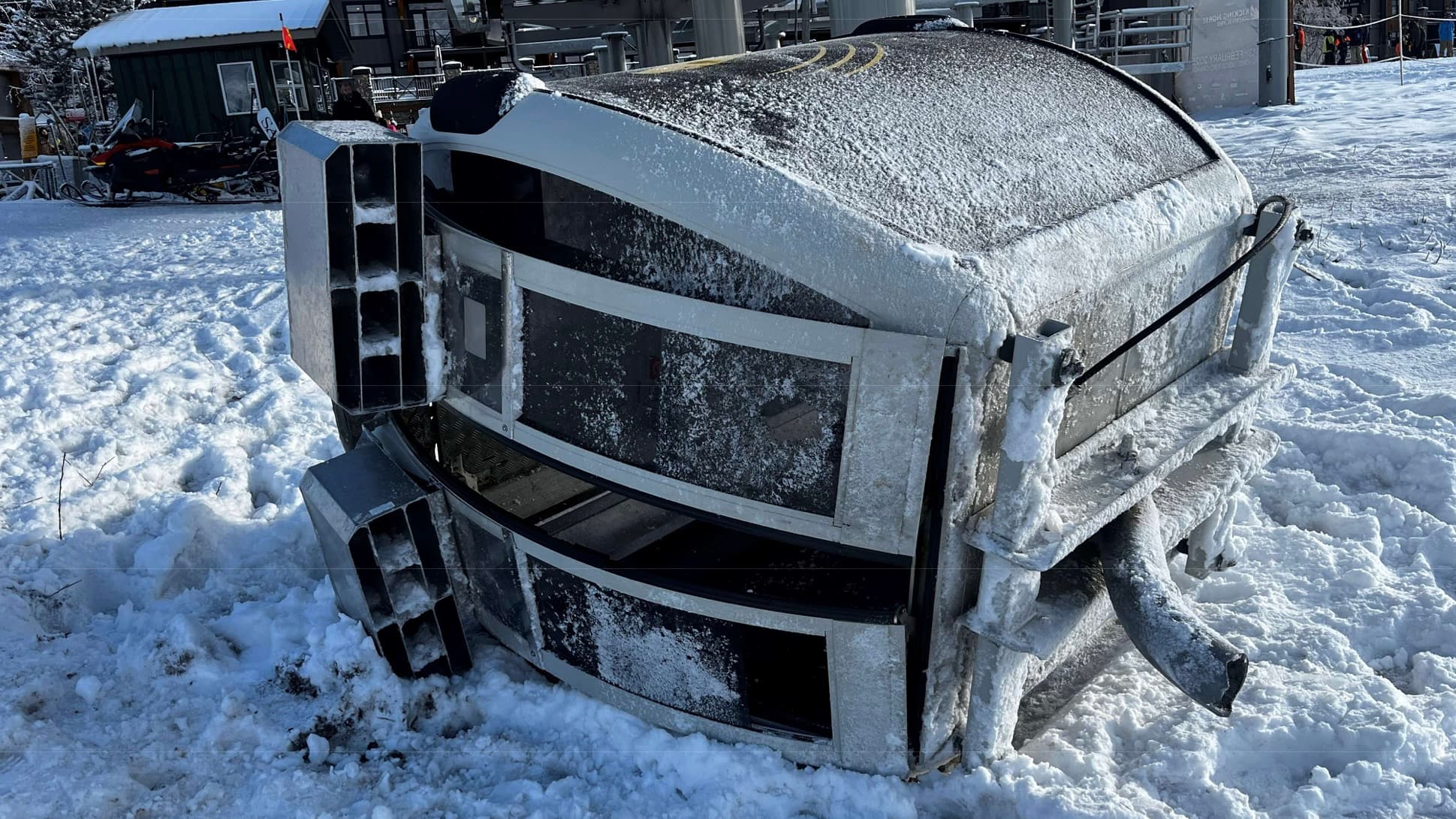
Gondola Cabin Falls at Kicking Horse Mountain Resort
In March 2025, a gondola cabin on the Golden Eagle Express at Kicking Horse Mountain Resort fell to the ground with passengers onboard after its cracked hanger arm snapped just after leaving the bottom station. The arm had been made brittle by manufacturing conditions, including cold bending and galvanizing, and its deterioration was accelerated by repeated high‑force impacts with station structures over years of operation. Although the gondola’s daily checks and multiple non‑destructive tests had not identified the crack, it had been progressing. When it finally fractured, the cabin dropped approximately 1–1.5 meters, resulting in minor injuries to passengers, and the remaining cabins required a complex seven‑hour manual evacuation.
Based on the findings of this investigation, we’ve issued recommendations aimed at manufacturers, owners, and operators of passenger ropeways to better understand and mitigate specific risk factors.
Learn More About This Incident
Improper Installation, Maintenance, and Repair of a Furnace All Factors in Fatal Carbon Monoxide Exposure in Rental Suite
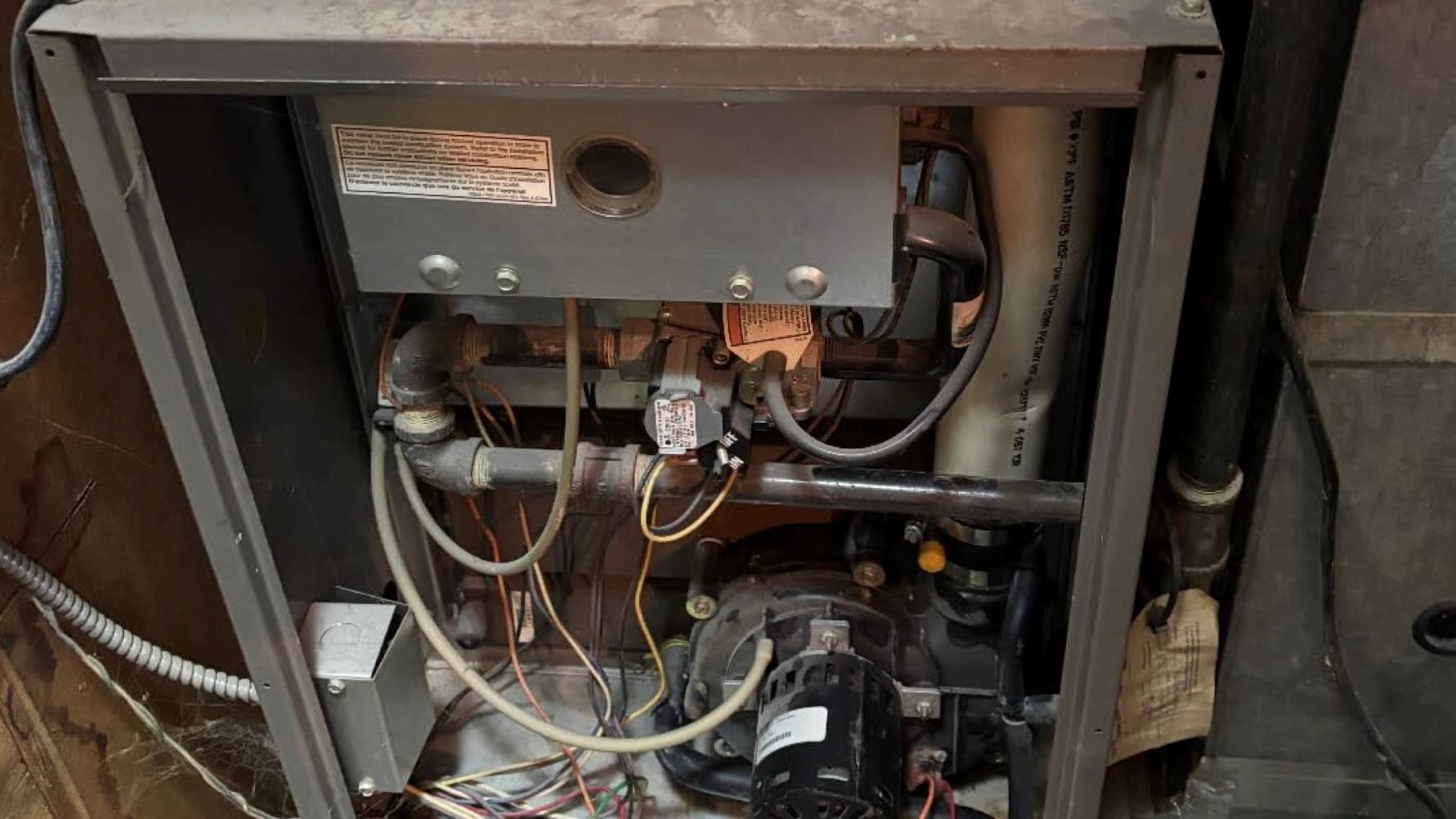
On February 24, 2025, a fatal carbon monoxide (CO) incident occurred in a Castlegar, BC home with a rental suite upstairs and an owner-occupied suite downstairs. The CO leak originated from an improperly repaired and separated vent pipe on a high-efficiency natural gas furnace, which allowed flue gases to enter and accumulate in the living space of the units. One upstairs tenant was found deceased, and the homeowner, living in the basement suite where the furnace was located, was hospitalized with severe CO poisoning. There were no CO alarms installed in the home.
The investigation found that the furnace was likely improperly installed in 2007 and was not maintained regularly. At some point, the draft inducer bolts had been loosened, which caused abnormally high levels of CO to be produced. Despite recommendations to repair or replace the furnace starting in 2021, no action was taken.
Learn More About This Incident
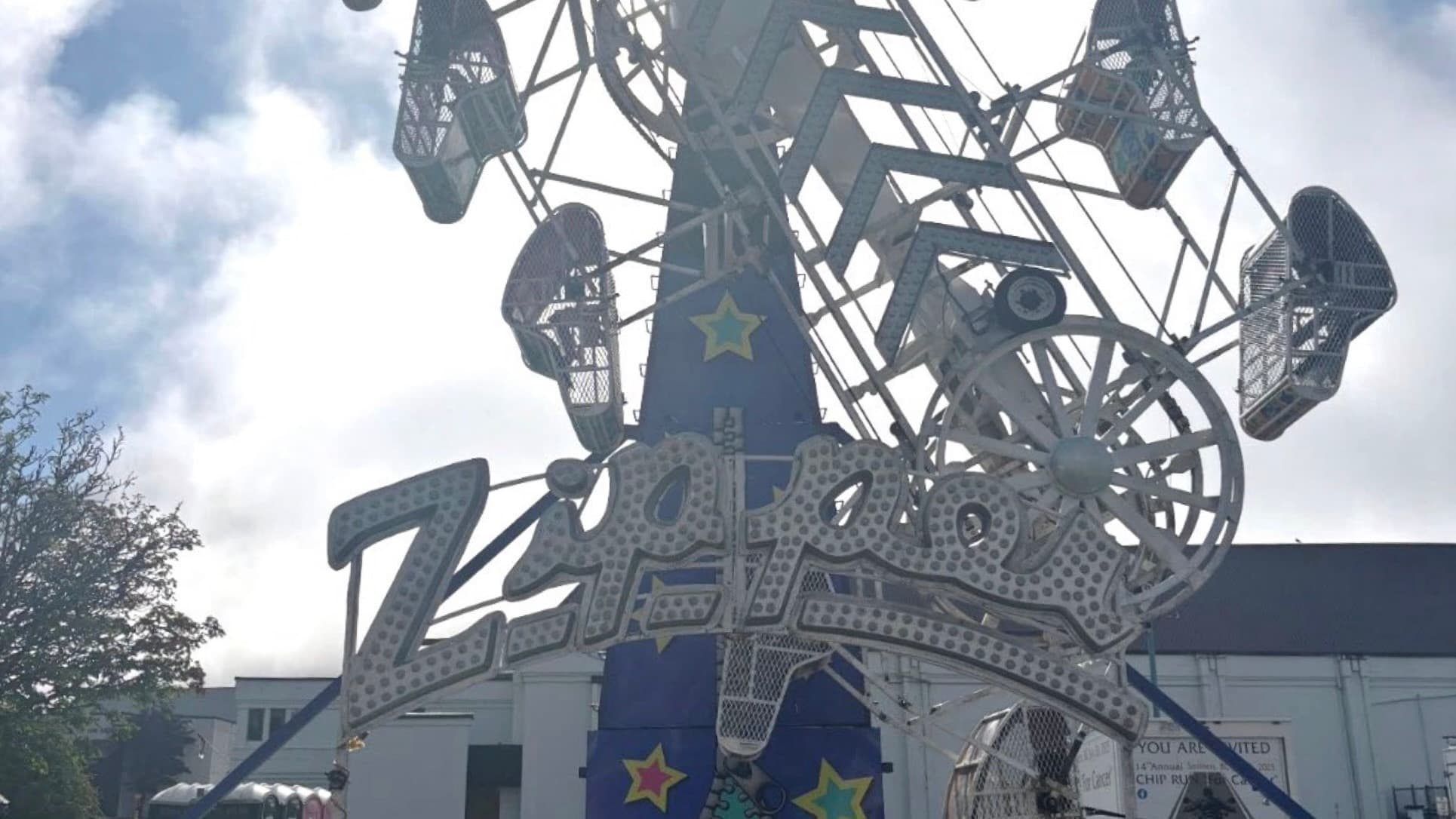
Fatal Injury Involving Zipper Ride
An experienced amusement ride attendant who did not typically work with the Zipper ride had volunteered to assist the ride operator. During a typical pause in operation of the ride, the attendant stepped into the ride’s path to collect fallen items from underneath the ride. At the same time, the operator running the ride was approached and distracted by members of the public.
A few seconds later, the operator resumed ride operations in the opposite direction, unaware that the attendant was still in the path of the ride. A passenger carrying unit then struck the attendant, tragically causing fatal injuries.
Factors that contributed to the incident included no communication between attendant and the operator, limited physical barriers that allowed the public to interfere with the operator, and routine unsafe practice of working inside dangerous areas.
Learn More About This Incident
Incident Categories
Under Assessment | Still being assessed by Technical Safety BC and was not assigned to a category as of time of data collection. |
Insignificant | An incident that resulted with insignificant and/or insignificant equipment damage. |
Minor | An incident that resulted with minor injury and/or minor equipment damage. |
Moderate | An incident that resulted with moderate injury and/or equipment damage. |
Major | An incident that resulted with major injury and/or major equipment damage. |
Severe | An incident that resulted with a fatal injury and/or severe equipment damage. |
Incidents by Year 2020 - 2025 (Railways Excluded)
2025 Incidents by Technology (Railways Excluded)
There were 128 incidents related to passenger ropeways reported to us in 2025, which was in line with the 120 incidents reported in 2024. Of the 128 reported incidents, one was ranked as “severe” three were ranked as “major,” while 26 were ranked “moderate,” 34 were ranked as “minor,” and 52 ranked as “insignificant.” There were 12 incidents “under assessment” as they were still under investigation at year’s end. Misloading or unloading incidents and falls from carriers continue to be leading causes of injury for this technology.
Monitoring Injuries Across the Safety System
The number of injuries reported to us in a given year provides an important indicator of the impacts of the hazards inherent in regulated equipment. Together with industry, our goal is to minimize incidents and injuries by identifying, understanding, and reducing risk across the safety system.
You Might Be Interested In
Top 5 Safety Risks
From carbon monoxide to electrical shock and fire, learn about the Top 5 Safety Risks we identified for 2025.
Building Confidence
Learn how we’re addressing obstacles to safe decision-making and safe behavior in BC.
Safety in Focus
In 2025, we focused on grey market work, shared accountability, and modern safety oversight.