
Business Transformation
State of Safety 2025
Advancing Our Business Transformation
A modern, responsive safety system depends on strong digital infrastructure and reliable tools for both our clients and employees. Our ongoing business transformation efforts are focused on strengthening the technological foundation that supports safety oversight in British Columbia. By modernizing legacy systems and improving how people interact with our services, we aim to create more efficient processes, clearer insights, and a better experience for our clients. As we continue to improve our data around non-compliances and identify the sources of safety risk, we can share our analysis with clients and make BC safer together.
Improving Engagement with Licensees and Certified Individuals
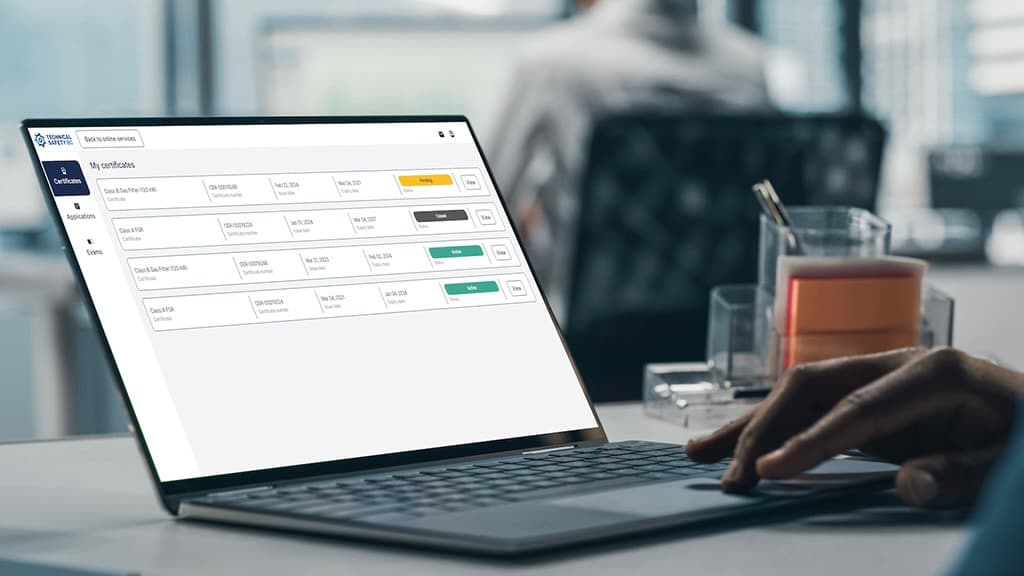
The first phase of our business transformation focused on implementing a Client Relationship Management (CRM) system for our Certification and Licensing products. The CRM allows us to track the status of a client’s licence or certification, and act if they become non-compliant. This year we improved our licensing renewal efforts — which focus on re-engaging organizations whose licences have lapsed — exceeding expectations and surpassing our target by 17%.
Work also continued to improve certification retention among clients. While these initiatives made measurable progress, results ultimately fell slightly short of the annual target by 3%. Despite this gap, the work provided valuable insight into client behavior and highlighted opportunities to improve engagement strategies moving forward.
Learning From Challenges
In August, we released a new client portal for permits and assessments that unfortunately did not provide an acceptable experience for many clients. This upgrade to Online Services created significant challenges for clients and our organization as we sought to support them. Efforts since August have focused on stabilizing the platform, improving the client experience, and continuing to serve our clients through our frontline teams. Although the disruption created operational challenges, the experience also provided valuable lessons about system upgrades at this scale, and will inform how future upgrades are planned, tested, and implemented to reduce disruption and improve overall reliability. We thank our clients for their patience and feedback during this process.
Streamlining the Permitting Experience
Despite challenges faced in August, we also made progress on modernizing the Online Services experience for permit transactions. This work represents an important step in this multiyear project by aligning how clients navigate and interact with permitting services, building on previous upgrades made to the licensing and certification experiences.
This year, we focused on technologies regulated under boilers, pressure vessels, and refrigeration (BPVR). We completed key design and development milestones, including the creation of detailed client journey maps. These maps provide a clearer understanding of how clients interact with the permissions process and help us identify opportunities to streamline steps, reduce friction, and improve overall usability.
While the project made meaningful progress, the planned launch of the first phase was deferred to incorporate learnings from the portal upgrade and to account for the complexity involved in building a new system capable of supporting multiple technologies and regulatory requirements. The extension will help to ensure the system is built on a stable foundation while also preparing for future expansion across other technologies.
A New Standard for Data Collection
Reliable data is essential for effective safety oversight. This year, we reviewed existing data capture methods to identify opportunities to improve both regulatory insight and client experience.
This review led to the development of a new standard for data collection, including for non-compliances, which helps us identify sources of safety risk related to regulated equipment. These improvements provide clearer visibility into assets with multiple regulated units. By improving how this information is captured and structured, we can more effectively oversee regulated equipment while also providing clients with a more accurate and comprehensive view of their assets within our systems.
Our work in 2025 represents an important step in modernizing the digital systems that support BC’s safety framework. While challenges along the way provided valuable learning opportunities, the progress made this year sets the stage for continued transformation and improved services in the years ahead.
Addressing Grey Market Work in BC
The safety system in British Columbia depends on everyone — duty holders, asset owners, contractors, and the public — doing their part to follow the standards set out in the Safety Standards Act. When contractors perform unlicensed, unpermitted, or uncertified work, they bypass critical safety protocols, increase risk to the public, and undermine a fair, safe industry.
You Might Be Interested In
Top 5 Safety Risks
From carbon monoxide to electrical shock and fire, learn about the Top 5 Safety Risks we identified for 2025.
Building Confidence
Learn how we’re addressing obstacles to safe decision-making and safe behavior in BC.
Data and Trends
The data we gather and analyze helps us identify emerging safety risks in the province.