
Carbon Monoxide Safety
Carbon monoxide is invisible, odourless, and deadly. Learn the signs and symptoms, prevent exposure, and keep your home safe.
What Is Carbon Monoxide?
Carbon monoxide (CO) is an odourless, tasteless, invisible gas produced when fuels like propane, natural gas, oil, charcoal, or wood burn incompletely. You can’t see it or smell it, but it can make you seriously ill and can even be fatal. Because CO is impossible to detect without an alarm, awareness and prevention are essential for BC homes, especially during colder months when heating appliances are used more often.
For more information on CO and other common indoor air risks, visit Fraser Health’s indoor air quality page.
Suspect Carbon Monoxide? Act Immediately.
Carbon monoxide exposure can be life-threatening. If your CO alarm sounds or you suspect exposure, act right away.
Get outside immediately. Move everyone, including pets, to fresh air. Do not delay to search for the source.
Call 911 or your local emergency number. Once outside, tell emergency responders that you suspect carbon monoxide exposure.
Do not re-enter the building. Wait until emergency responders confirm it is safe to return.
What Are the Symptoms of Carbon Monoxide Poisoning in Humans?
Carbon monoxide poisoning can cause flu-like symptoms, but typically without a fever. If one or more people in the same space experience symptoms such as headaches, dizziness, nausea, or fatigue, especially if symptoms improve when they leave the building, carbon monoxide exposure may be the cause.
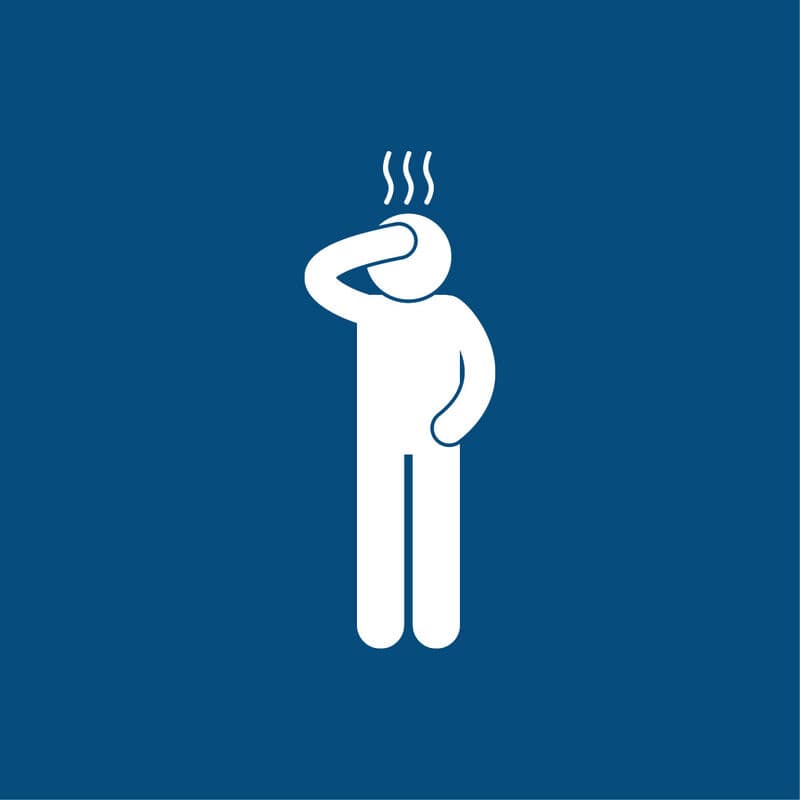
Headache
Often a dull, persistent ache that doesn’t improve with rest or medication.
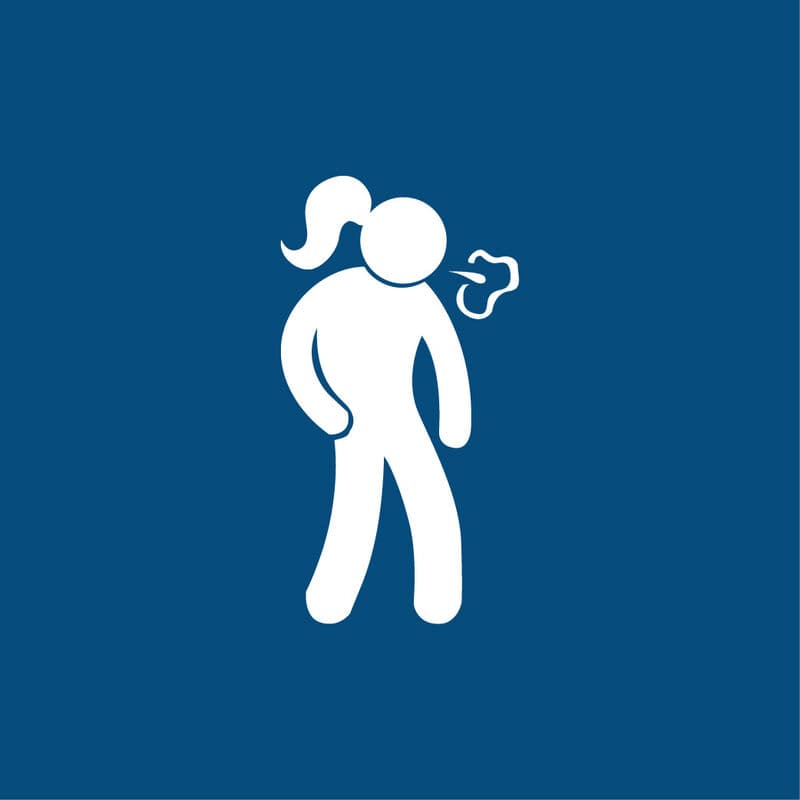
Shortness of breath or difficulty breathing
You may feel winded even while sitting still or doing light activities.

Dizziness
Feeling lightheaded, off-balance, or like the room is spinning.
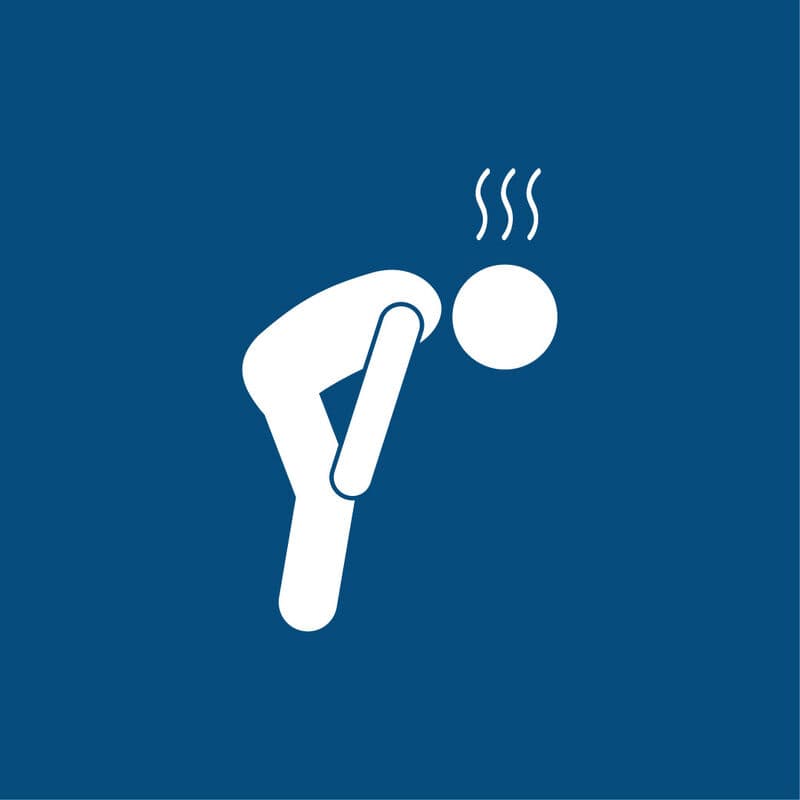
Unexplained tiredness or weakness
A deep fatigue that isn’t resolved by sleep or rest.
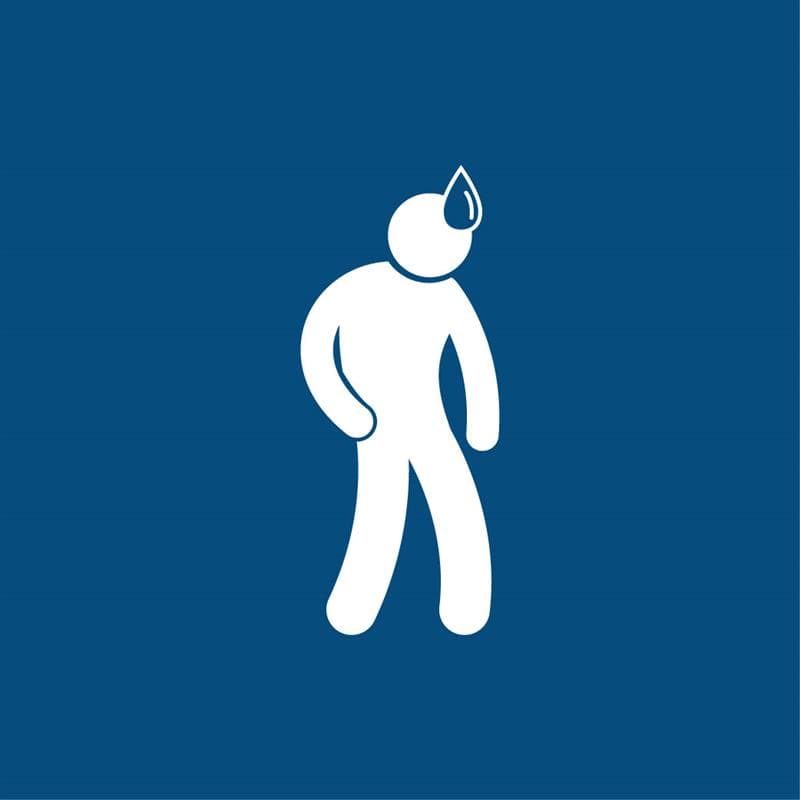
Nausea
Stomach discomfort that can lead to vomiting if exposure continues.

Confusion or disorientation
Trouble thinking clearly, forgetting things, or acting unusual.
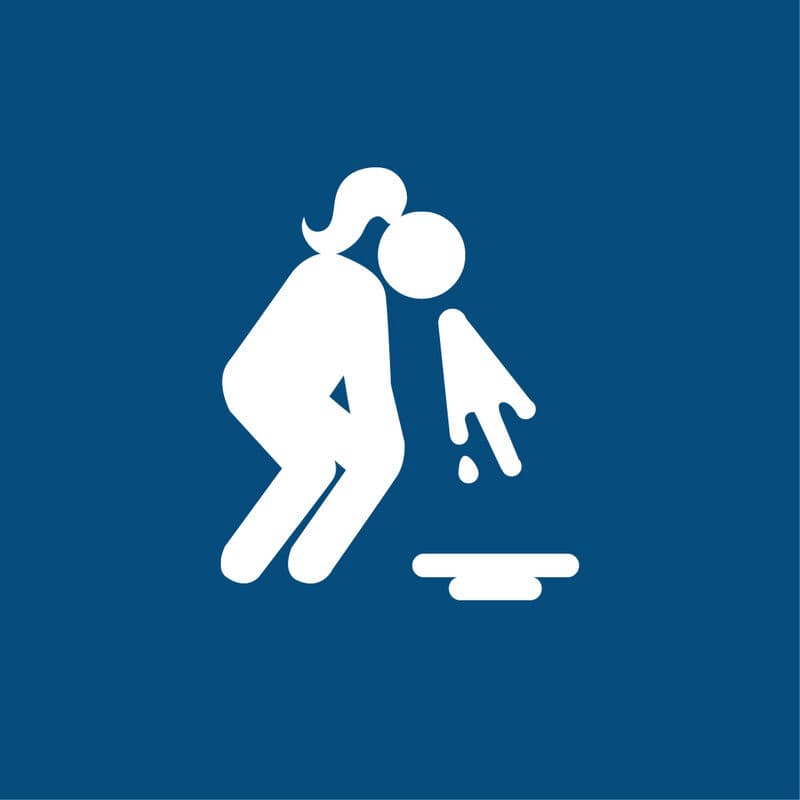
Vomiting
Can occur suddenly and without clear cause, especially in multiple people.
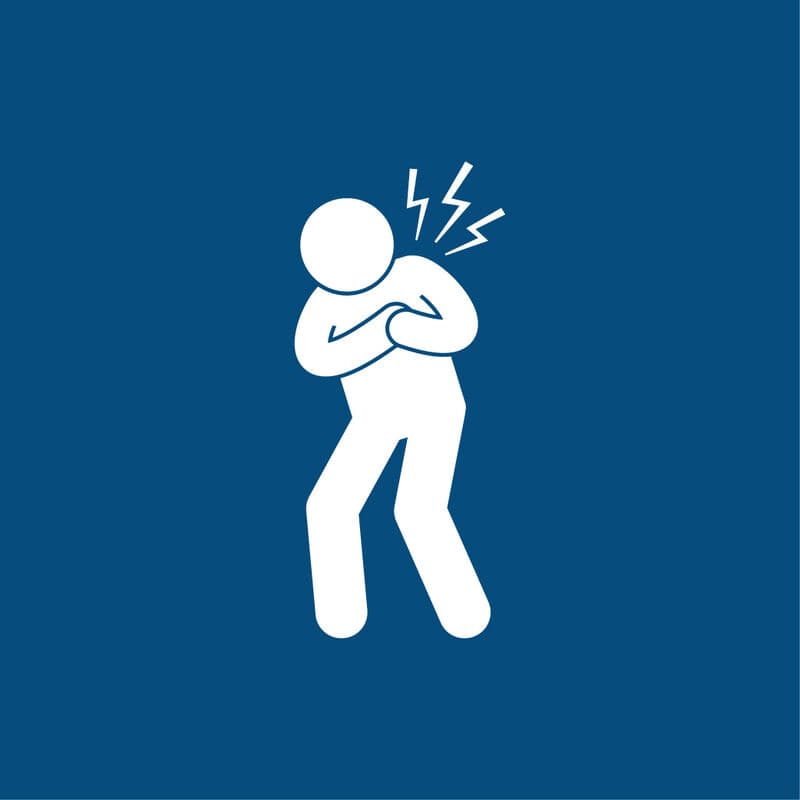
Chest pain
A tight, pressing sensation, especially during high exposure levels.

Sudden irritability, aggression or anxiety

Drowsiness or lethargy
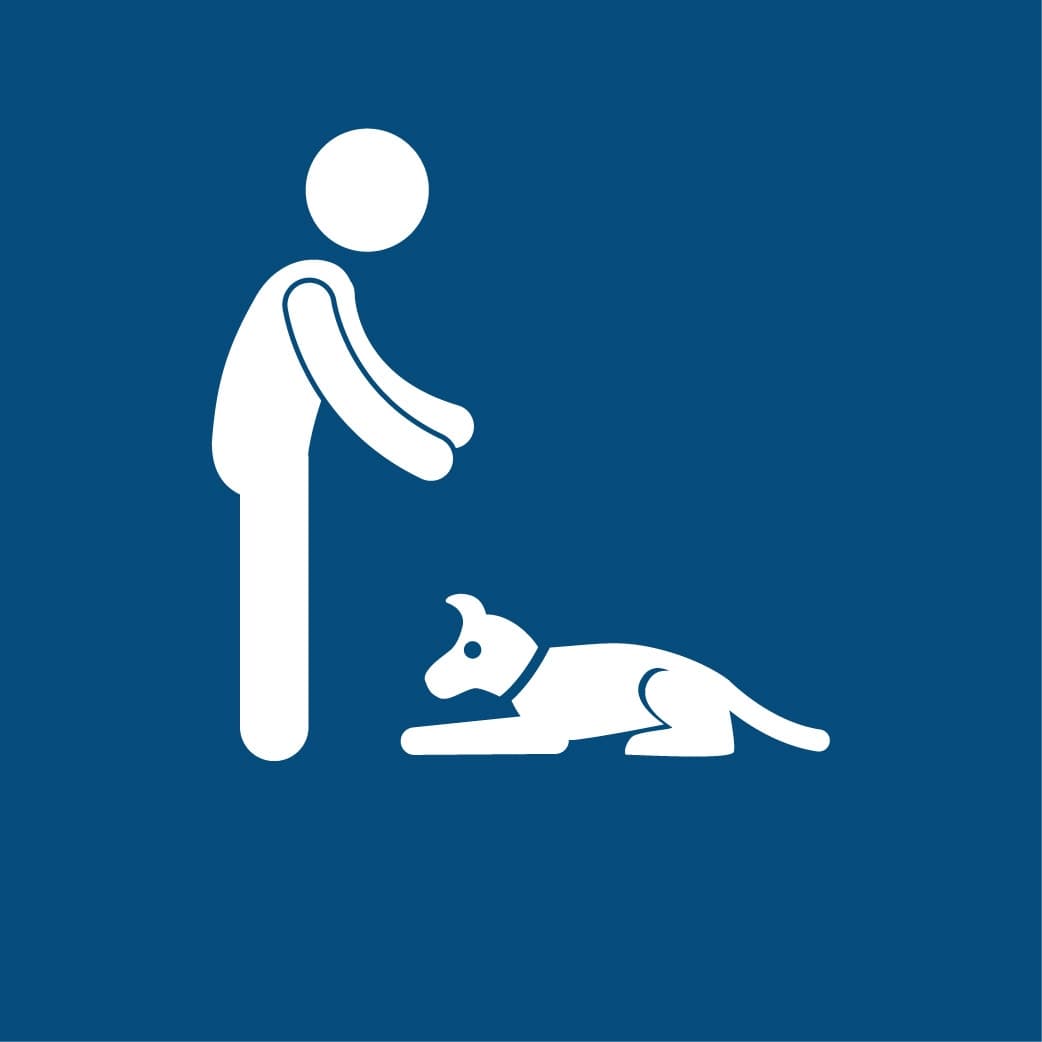
Refusing to enter the house after being outside

Difficulty breathing

Vomiting

Bright cherry red lips, ears, and gums

Uncoordinated movements
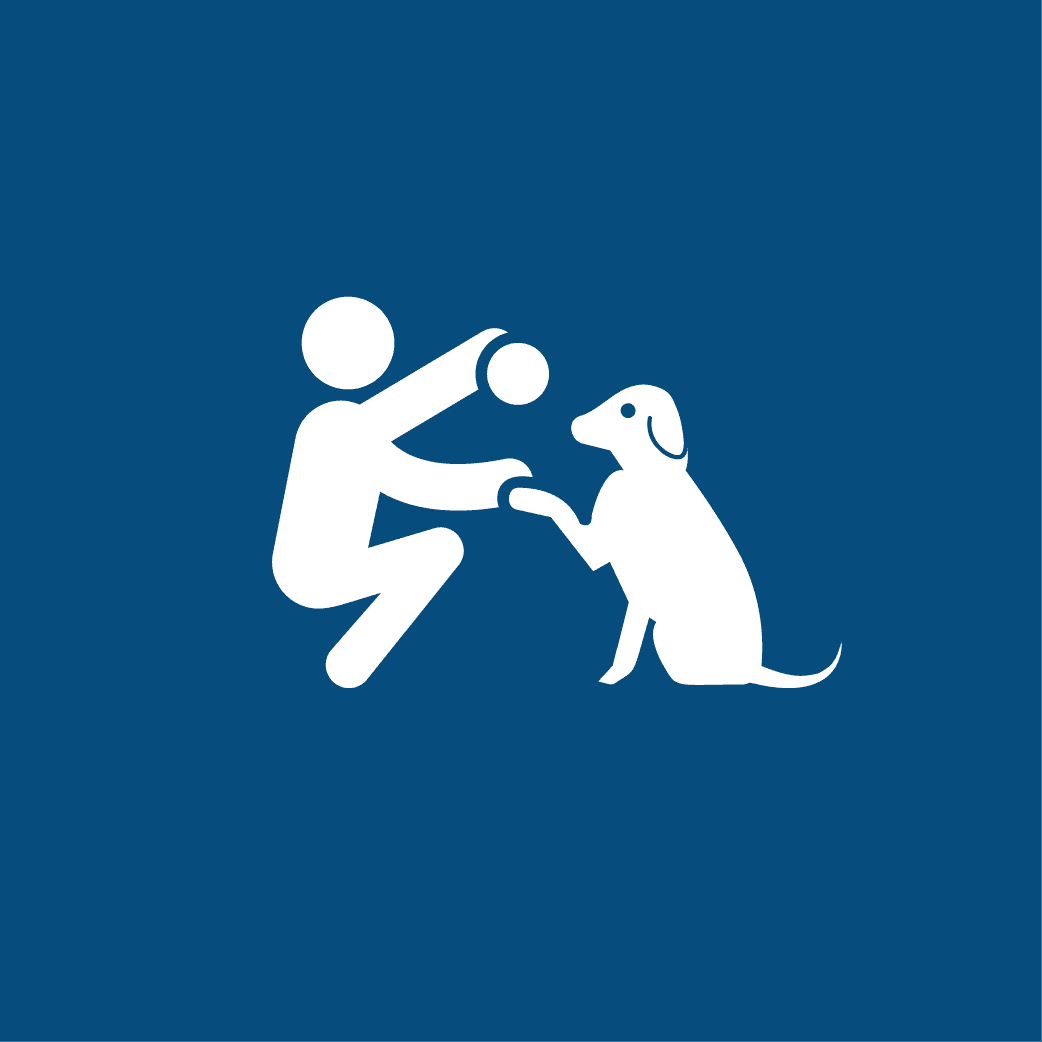
Unusual intolerance to normal exercise
How Can You Prevent Carbon Monoxide Exposure?
Install & Maintain Carbon Monoxide Alarms
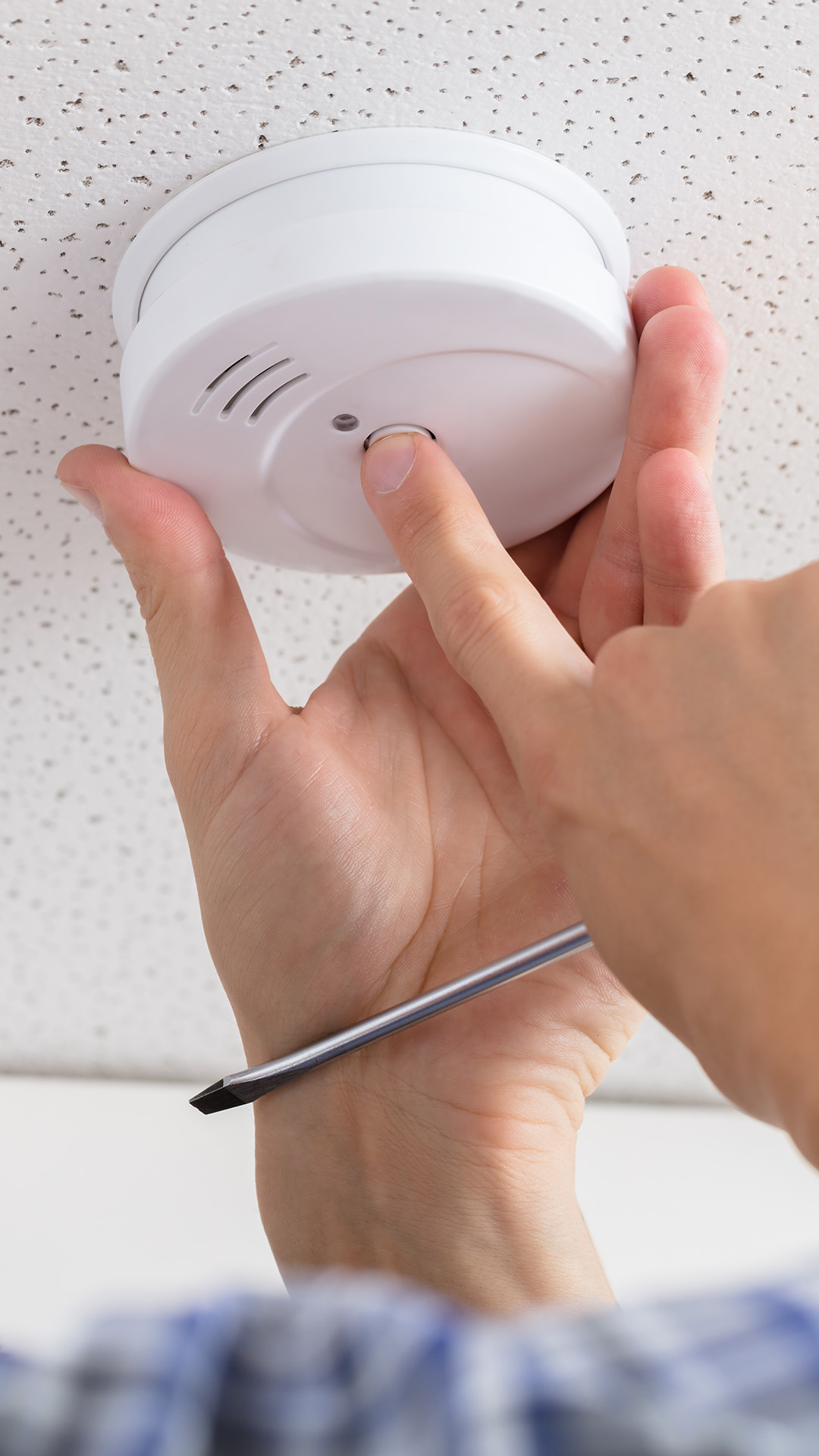
Install Canadian-certified CO alarms on every floor and near bedrooms. Test monthly, replace batteries as needed, and change the unit every 7-10 years.
Have Gas Appliances Inspected
Schedule annual inspections with a licensed gas contractor to keep appliances safe, properly vented, and up to code.
Know the Sources of Carbon Monoxide
Carbon monoxide can come from furnaces, boilers, hot water tanks, stoves, fireplaces, portable heaters, generators, vehicles, and other fuel-burning equipment. Never use outdoor appliances like barbecues, camping stoves, or generators inside homes, garages, sheds, tents, or other enclosed spaces, as they can produce dangerous levels of CO.
How Can You Protect Your Home from Carbon Monoxide Poisoning?
Whether you rent, own, or live off-grid, carbon monoxide can be a risk in any home. The following safety tips apply to everyone, regardless of where or how they live. You'll find additional advice below for your specific living situation.
CO Safety Tips for Every Home
-
Install and maintain CO alarms: Install Canadian-certified alarms on every level of your home, near sleeping areas, and in mechanical or service rooms where gas appliances are installed. Test alarms monthly and replace them when they reach their expiry date.
-
Maintain gas appliances: Have gas appliances installed by a licensed gas contractor and serviced annually or according to the manufacturer’s instructions. Regular maintenance can help identify problems before they become serious safety hazards.
-
Keep outdoor appliances outdoors: Never use barbecues, camp stoves, generators, or other outdoor fuel-burning equipment inside your home, garage, shed, or other enclosed space. Opening doors or windows does not make indoor use safe.
-
Keep vents clear: Check that exhaust vents, flues, chimneys, and air intakes are free of snow, ice, leaves, and other debris to help fuel-burning appliances operate safely.
-
Know what to do in an emergency: Make sure everyone in your household knows what to do if a CO alarm sounds. Leave immediately, call 911 from outside, and do not re-enter until emergency responders confirm it’s safe.
Renters
-
Know your appliances: Ask your landlord if your home has gas appliances and who is responsible for their maintenance.
-
Talk to your landlord about CO alarms: If your rental doesn't have a CO alarm, speak with your landlord or consider purchasing a battery-operated or plug-in alarm.
-
Never disable CO alarms: Don’t remove batteries or disconnect an alarm, even if it goes off unexpectedly.
-
Report safety concerns: Let your landlord know if a CO alarm isn’t working properly or you notice a problem with a gas appliance.
Landlords
-
Inform your tenants: Provide information about gas appliances in the property, including instructions for their safe operation.
-
Maintain requirements: Ensure appliances are serviced according to manufacturer’s instructions or at least annually by a licensed gas contractor. Keep records of maintenance and servicing as required under Section 55 of the BC Gas Safety Regulation. and keep service records as required by BC regulations.
-
Support CO alarm use: Provide working CO alarms and respond promptly to safety concerns.
-
Check shared spaces: Be aware of potential CO sources in common areas, mechanical rooms, and attached garages, and ensure equipment is maintained properly.
-
Eligible property owners may also qualify for FortisBC's appliance maintenance rebate program.
Learn More About CO Safety for Renters and Landlords
Homeowners
-
Know your alarm sounds: Learn the difference between your smoke alarm and CO alarm sounds so you can respond appropriately in an emergency.
-
Keep appliance areas clear: Avoid using furnace or boiler rooms for storage. Keep the areas around gas appliances clear to allow for proper airflow.
-
Make CO safety part of your routine: Regularly check your CO alarms, maintain gas appliances, and use fuel-burning equipment safely to help prevent exposure.
-
Be mindful of home renovations: Changes to ventilation systems or new equipment, such as kitchen exhaust fans, can affect airflow. Have a licensed contractor check that these changes won't affect the safe operation of fuel-burning appliances.
Learn More About CO Safety for Homeowners
Remote and Off-Grid Living
-
Plan for licensed contractor access: Finding a licensed gas contractor can be challenging in remote areas, but proper installation is essential. Plan ahead to have gas appliances installed and serviced safely.
-
Check outdoor appliance labels: Some outdoor water heaters look similar to indoor models but are approved for outdoor use only. Remember that detached sheds and shower rooms are still enclosed spaces, not outdoor locations.
-
Prepare for power outages: If your home relies on solar power, batteries, or a generator, make sure your CO alarms have a reliable power source or battery backup.
-
Have an emergency plan: If emergency services may take longer to reach your home, plan how you'll contact responders and get everyone to a safe location.
Learn More About CO Safety for Off-Grid and Rural Living
Real Stories and Incidents
Every year, BC sees an average of 15 CO-related incidents, 24 injuries, and 2 fatalities. Most occur in homes, but incidents have also happened in ice rinks, warehouses, and schools.
News Release
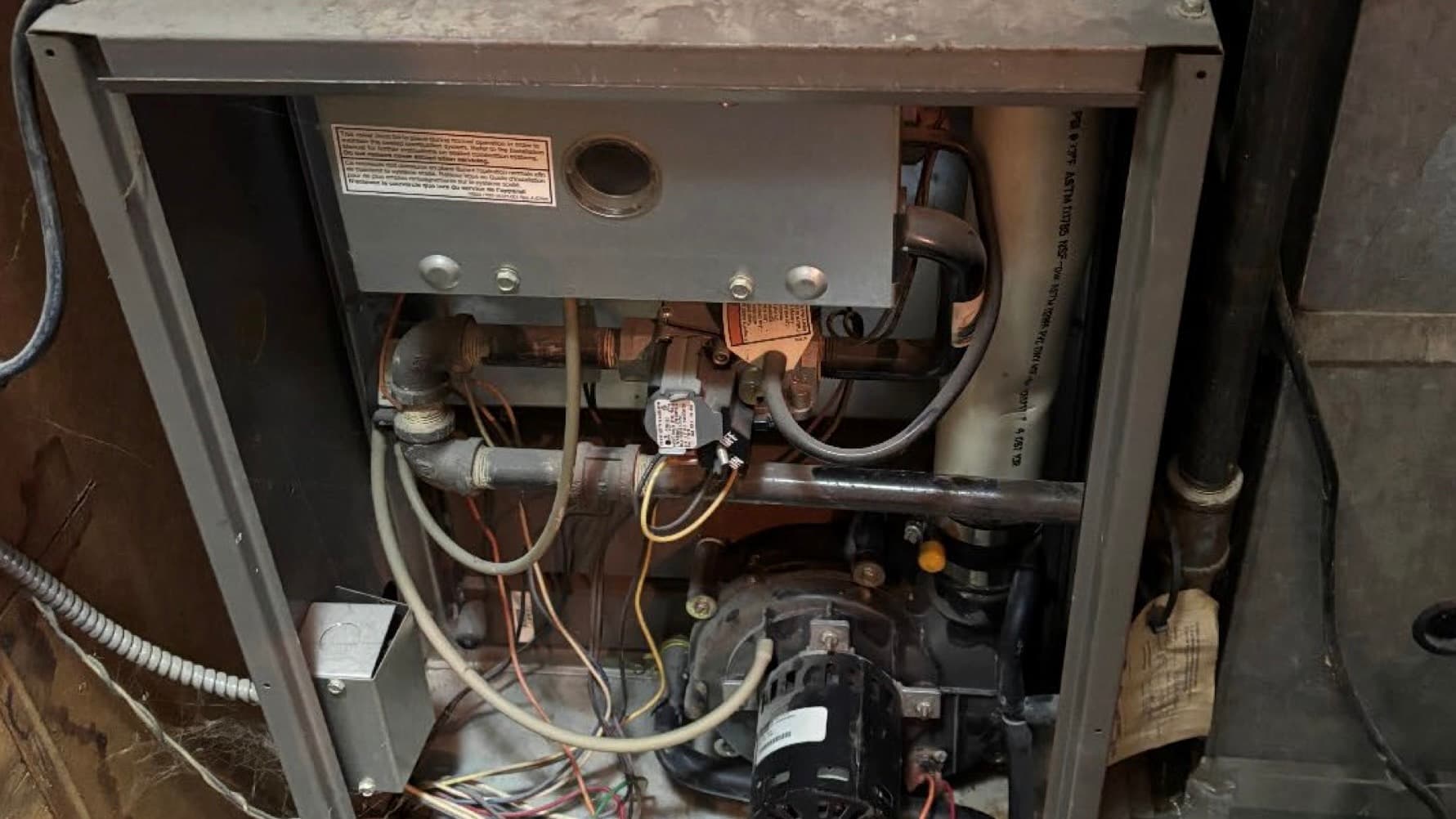
Renters & Landlords Urged to Take Precautions Following Fatal Carbon Monoxide Incident

Incident Investigation
Carbon monoxide exposure from a portable generator in an enclosed space
Incident Investigation
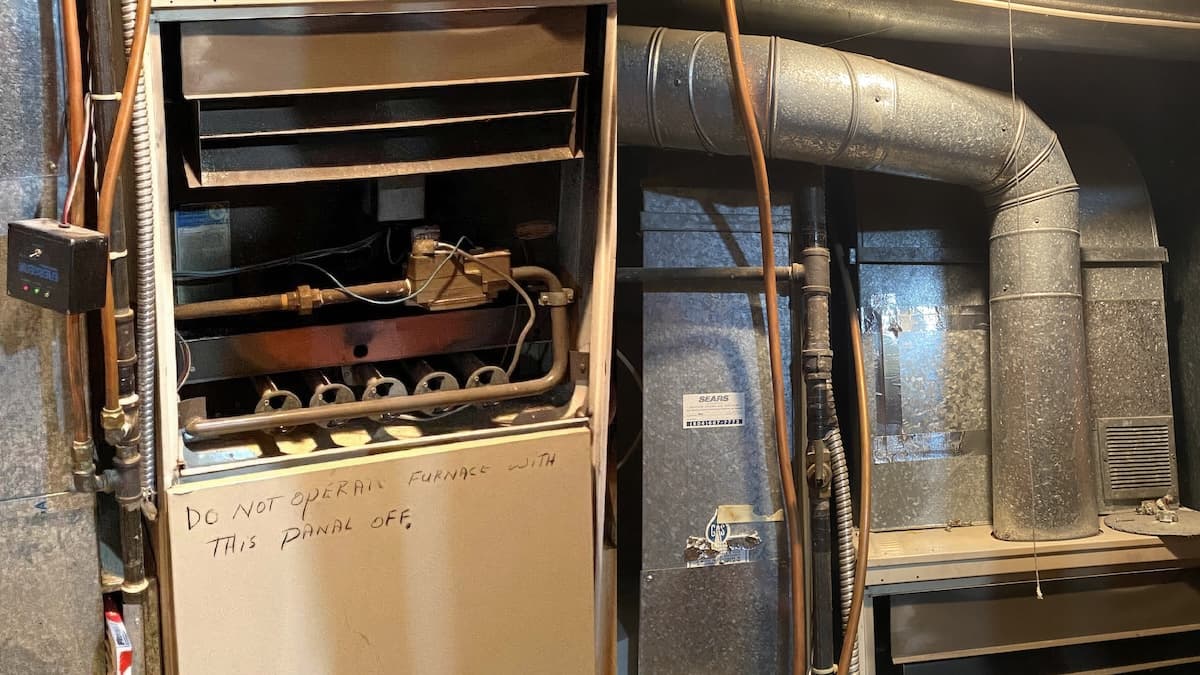
Deadly levels of carbon monoxide send two to hospital
Get the Facts. Stay Safe.
Carbon monoxide safety information is available in multiple languages to help you protect yourself and your household. Choose your preferred language to learn about CO sources, symptoms, prevention, and what to do in an emergency. You’ll also find a downloadable safety checklist on each page.
Related Information
Carbon Monoxide: A Preventable Danger
The risk of CO exposure remains our top safety risk for 2024.
Top 5 Safety Risks
From carbon monoxide to electrical shock and fire, learn about the Top 5 Safety Risks we identified for 2024.
Public Safety
Our public safety tips provide the tools and knowledge the public needs to mitigate risks and hazards.