
Increasing Public Awareness
State of Safety 2025
Targeted Public Safety Awareness Initiatives
In 2025, we continued our commitment to public safety through awareness campaigns addressing both established and emerging risks across British Columbia. Guided by incident investigation findings, risk research, client insights, and evolving technologies, our work focused on carbon monoxide exposure, home renovations involving gas and electrical work, and the growing adoption of emerging technologies such as heat pumps and electric vehicle chargers.
Across all campaigns, we emphasized hazard awareness, preventative safety measures, and the importance of working with licensed contractors and obtaining the appropriate permits.
This year, we moved beyond broad safety messaging and towards more targeted, evidence-based approaches grounded in real incidents and real risk. Through updated digital resources, multilingual content, public outreach, and partner collaboration, we shared safety messaging with the most vulnerable British Columbians.
Emerging Technologies Safety and Permitting
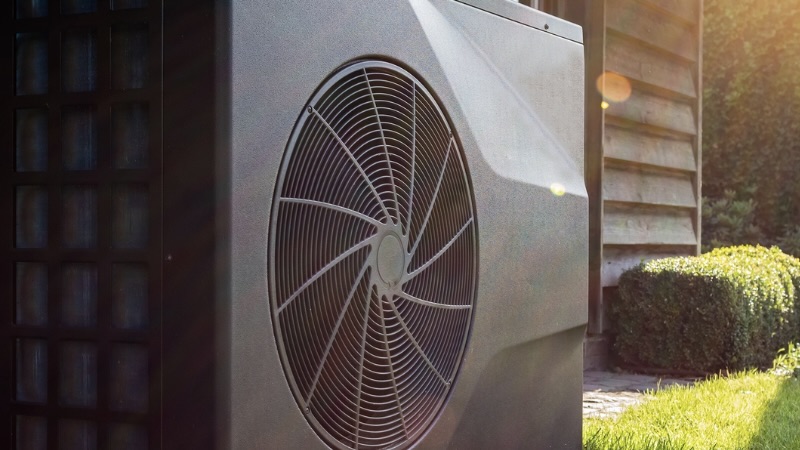
As heat pumps and electric vehicle (EV) chargers become more common in homes across the province, we launched public awareness campaigns focused on safe installation and permit requirements for these emerging technologies. The campaigns were designed to help homeowners understand when permits are required, why they matter, and how working with licensed electrical contractors supports both safety and compliance.
We also created new online resources to support homeowners and clients. Dedicated informational pages outlined permit requirements for heat pumps based on different installation scenarios, and an interactive permit requirement quiz helped homeowners determine which permits may be needed for their specific situation.
We also engaged directly with the public through in-person outreach, including participation in the Everything Electric Show, where we answered questions and addressed common misconceptions about permits and electrical safety. Seasonal email campaigns timed with rebates in the spring and fall reinforced key messages during peak planning and installation periods. Together, these efforts helped improve clarity on the requirements, build confidence, and support the safe adoption of new technologies.
Partnerships played an important role in extending the reach and usefulness of this work. Plug In BC featured our content in their newsletter and will be incorporating our permit information into an upcoming EV charger best practices guide. CHOA also shared our content with their members throughout the year, helping to raise awareness of permit and safety requirements for both EV charger installations and heat pumps in multi-unit residential settings.
We also engaged directly with the public through in-person outreach, including participation in the Everything Electric Show, where we answered questions and addressed common misconceptions about permits and electrical safety. Seasonal email campaigns timed with rebates in the spring and fall reinforced key messages during peak planning and installation periods. Together, these efforts helped improve clarity on the requirements, build confidence, and support the safe adoption of new technologies.
Targeted Carbon Monoxide Safety
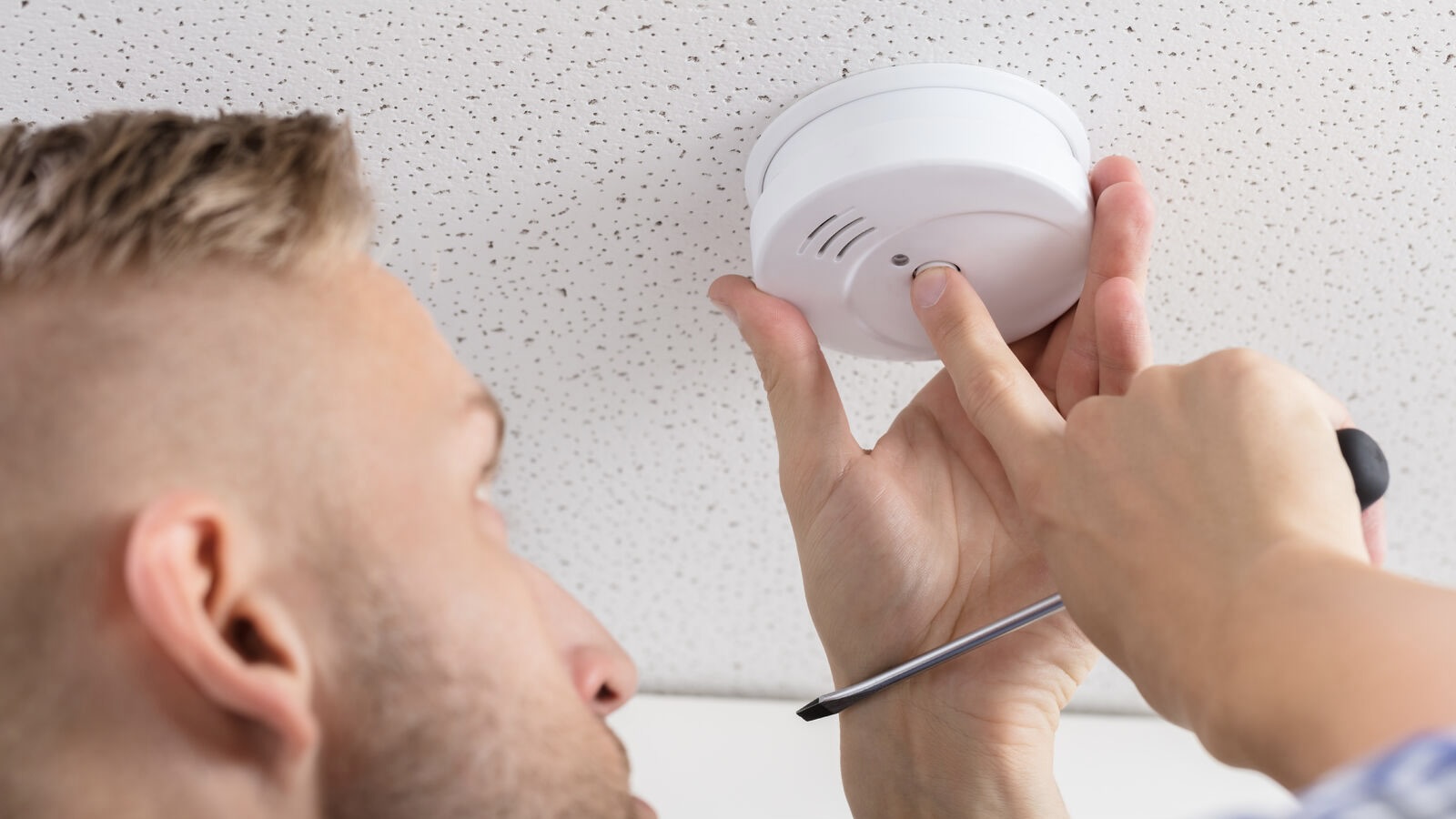
Carbon monoxide (CO) remains one of the most serious safety risks for British Columbians, and in 2025 we took an intentional, risk-led approach to our annual CO awareness campaign. The campaign was grounded in incident data, risk research, and real investigation findings to better understand who is most at risk and how to best engage them.
Insights from our Safety System Risk and Incident Investigation teams showed that CO risk is not evenly distributed. Housing type, appliance maintenance practices, language barriers, and access to trusted information all play a role. Most reported incidents occurred in single-detached homes. Renters also faced risks related to poor installation or maintenance of gas appliances. Risk was also higher in lower-income and housing-insecure situations, and more than half of incidents occurred in neighborhoods with higher racial and linguistic diversity.
In response, we rebuilt our CO education resources to be clearer, more accessible, and easier to use. The CO landing page was redesigned as a centralized hub organized by audience and housing type, supported by plain-language visual guides, printable checklists, and expanded multilingual content in Punjabi, Mandarin, and Cantonese. Partnerships with trusted organizations, including FortisBC, Vancouver Coastal Health, and Fraser Health, helped reinforce credibility and ensure resources could be shared widely and consistently across digital and in-person settings.
By leading with real risk and real experiences, this campaign established an inclusive, evidence-based model for CO safety that will inform future public safety work.
Home Renovation Safety – The Importance of Hiring a Licensed Contractor
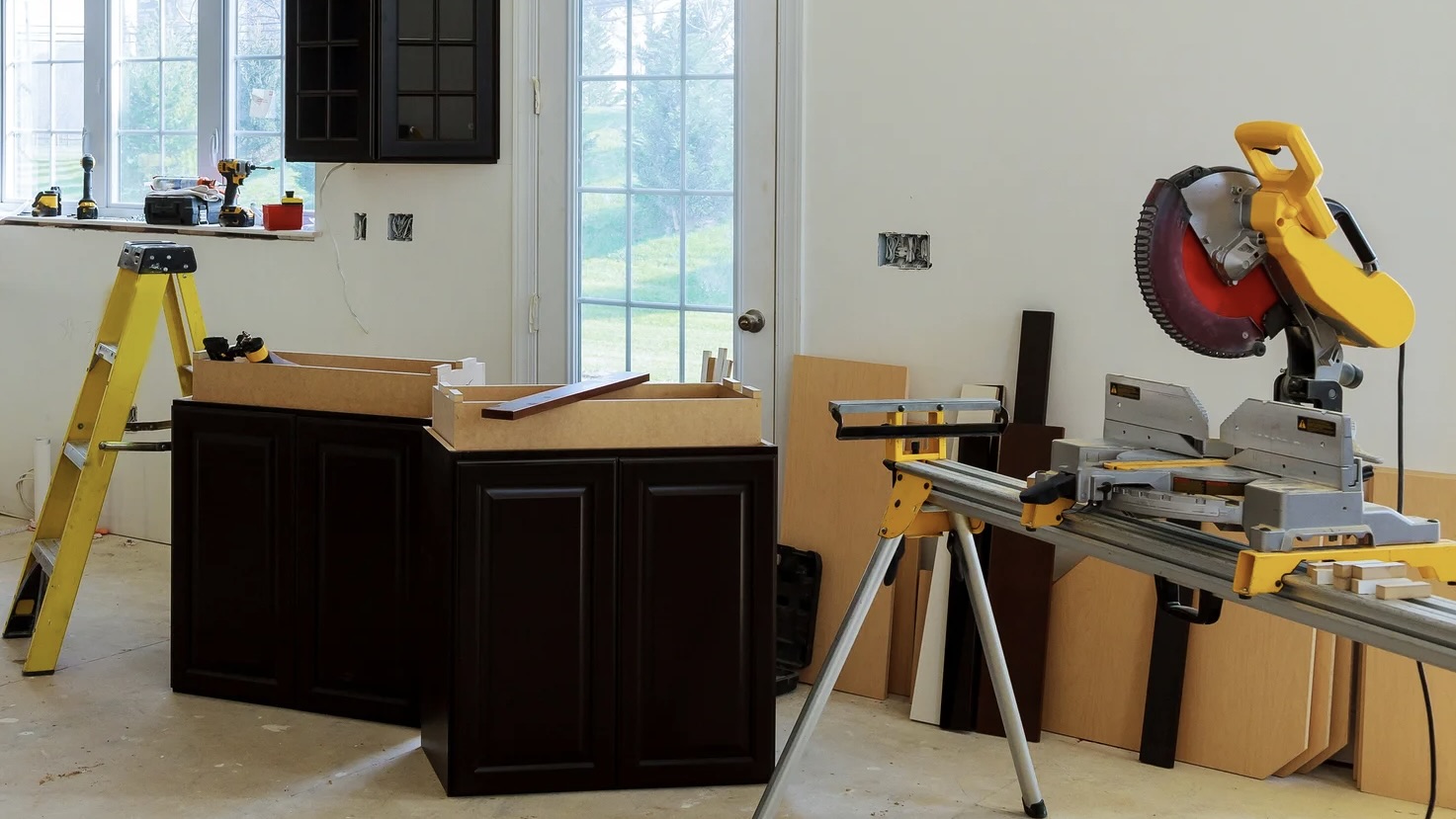
Our annual Home Renovation Safety campaign also relied heavily on insights from the Incident Investigation team, particularly in addressing underground and grey market work involving gas and electrical installations and renovations. In 2025, we launched a new campaign concept, “Quick Tips to Ruin Your Home,” which used real, investigated incidents to highlight the consequences of unlicensed and unpermitted work.
The campaign featured actual incident reports and photos from investigations our team performed, using negative framing to capture attention and encourage homeowners to hire licensed contractors and obtain the required permits. Rather than abstract warnings, the campaign showed real outcomes and real damage, making the risks more tangible and harder to dismiss.
All campaign materials directed the public to a newly created Home Modification landing page, where they could explore the real incidents behind the ads and review clear safety recommendations. The page also consolidated practical tools and resources, including our Find a Licensed Contractor tool, an interactive homeowner permit eligibility quiz, guidance on DIY renovation requirements, and clear explanations of when licensed contractors are required.
This incident-led approach drove strong engagement and reinforced the effectiveness of grounding safety messaging in real investigations. Along with expanded digital visibility and social sharing, the campaign further demonstrated the value of pairing compelling creative with clear, resource-rich landing pages that support informed decision-making.
Top 5 Safety Risks in 2025
Each year, we measure the data we receive through incident and hazard reports to analyze and rank the top safety risks we encountered across the province. These risks were identified by collecting, assessing, and analyzing incident investigation data. The key metrics we look at when ranking the top five safety risks include the likelihood of an incident taking place as well as the severity of its consequences, such as injury or damage.
You Might Be Interested In
Building Confidence
Learn how we’re addressing obstacles to safe decision-making and safe behavior in BC.
Safety in Focus
In 2025, we focused on grey market work, shared accountability, and modern safety oversight.
Data and Trends
The data we gather and analyze helps us identify emerging safety risks in the province.