
Gas
State of Safety 2025
Yearly Trends: Gas
We oversee residential, industrial and commercial use of natural gas, propane, biogas, digester gas, manufactured gas, liquified petroleum gas, landfill gas, and hydrogen throughout British Columbia in accordance with the Safety Standards Act and the Gas Safety Regulation.
Carbon monoxide (CO) exposure was ranked as the number one safety risk in 2025. The ranking of our Top 5 Safety Risks is based on the likelihood of an incident taking place, as well as the severity of consequences such as injury or damage following an incident. CO exposure has topped the list for five years running. There was one fatal CO exposure reported to us in 2025.
CO risk is not evenly distributed. Housing type, appliance maintenance practices, language barriers, and access to trusted information all play a role. Most reported incidents occurred in single-detached homes. Renters also faced risks related to poor installation or maintenance of gas appliances. Risk was also higher in lower-income and housing-insecure situations, and more than half of incidents occurred in neighborhoods with higher racial and linguistic diversity.
Through education and awareness, we are sharing the severity of consequences associated with this risk, strengthening BC’s safety system, and promoting safer practices across the province.
79
Incidents reported to us in 2025
36
Injuries reported to us in 2025
11,400
Assessments completed in 2025
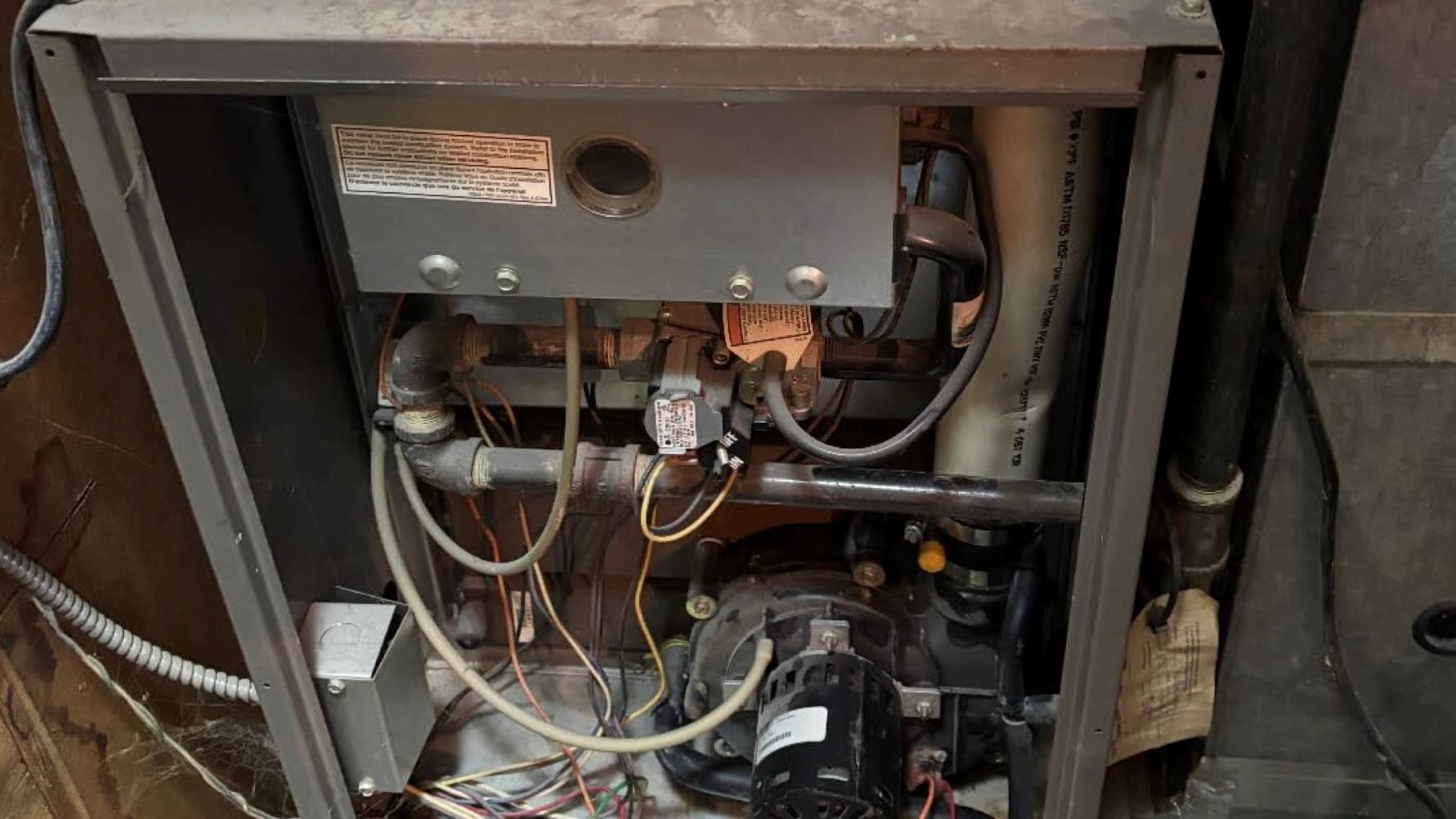
Improper Installation, Maintenance, and Repair of a Furnace All Factors in Fatal Carbon Monoxide Exposure in Rental Suite
On February 24, 2025, a fatal carbon monoxide (CO) incident occurred in a Castlegar, BC home with a rental suite upstairs and an owner-occupied suite downstairs. The CO leak originated from an improperly repaired and separated vent pipe on a high-efficiency natural gas furnace, which allowed flue gases to enter and accumulate in the living space of the units. One upstairs tenant was found deceased, and the homeowner, living in the basement suite where the furnace was located, was hospitalized with severe CO poisoning. There were no CO alarms installed in the home.
The investigation found that the furnace was likely improperly installed in 2007 and was not maintained regularly. At some point, the draft inducer bolts had been loosened, which caused abnormally high levels of CO to be produced. Despite recommendations to repair or replace the furnace starting in 2021, no action was taken.
Learn About This Incident
Incidents
Seventy-nine gas incidents were reported to us in 2025, an increase of 19.5% compared to 2024. Of the 79 incidents, 13 were ranked as “insignificant,” 14 were ranked as “minor,” 22 were ranked as “moderate,” and nine were ranked as “major.” Seven incidents were ranked as “severe,” and 14 incidents remain “under assessment.”
Click to Enlarge
Injuries
Thirty-six injuries were reported to us in 2025, an increase of 15% compared to 2024. Five injuries were ranked as “insignificant,” eight were ranked as “minor,” 17 were ranked “moderate,” four were ranked “major,” and one was fatal.
We receive injury reports and descriptions from operators or first responders at the time of, or immediately following, the incident. Injuries may develop after the initial reports were made to us, and the long-term effects of a resultant injury may not be recorded as part of our investigation.
Click to Enlarge
Permits
In 2025, we issued 47,852 installation permits, a 11% increase from the previous year. We saw 1,618 active operating permits in 2025.
Installation Permits Issued by Year
Click to Enlarge
Active Operating Permits by Year
Click to Enlarge
Assessments
Our safety officers completed 11,400 assessments of gas equipment in 2025, an 8% decrease compared to the previous year. Of this total, 6,060 were in-person assessments, and 5,340 were remote assessments. Depending on the nature of the work, safety officers determine which type of assessment, whether in-person or remote, is most suitable.
The results of in-person assessments included: 4,183 “passed” and 1,877 “failed." The results of remote assessments included: 4,756 “passed” and 575 “failed.”
Learn more about how we define these assessment outcomes.
Physical Inspections Completed by Pass, Failed
Click to Enlarge
Remote Inspections Completed by Pass, Failed
Click to Enlarge